Direct from GMPC-certified manufacturing facilities. Integrating next-generation functional engineering, eco-compatible materials, and advanced sensory design paradigms.

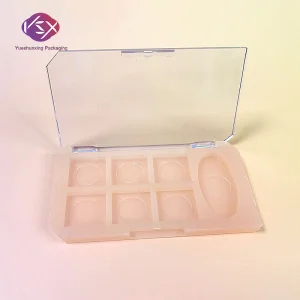
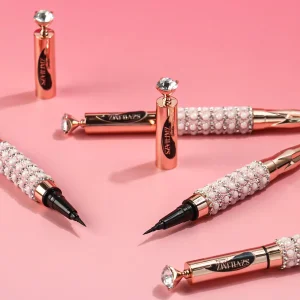
Zhejiang Beauty Board Co., Ltd. — Building the Future of Global Brands through Automated Packaging Engineering and Advanced Material Science.
Zhejiang Beauty Board Co., Ltd. is a comprehensive beauty industry service provider rooted in China and serving the global market. The company operates a modern industrial park covering 62,000 square meters, integrating advanced production facilities, professional laboratories, and efficient supply chain systems.
Over the years, we have established a fully integrated industry chain covering research and development, manufacturing, sales, and global import/export services, enabling us to provide efficient, reliable, and scalable solutions for beauty brands worldwide.
With a strong commitment to innovation and quality, Zhejiang Beauty Board continuously strengthens its capabilities in product development, intelligent manufacturing, and international market expansion. Our solutions support brands at every stage—from concept creation and formulation development to large-scale production and global distribution.
An engineering analysis of aesthetic innovation, material performance, and industrial feasibility for global procurement leaders.
Multi-material packaging represents a major recycling roadblock. In response, factories are developing high-density, barrier-coated monomaterials (typically 100% PP or PE). By eliminating the need for material separation, brands can achieve true circular economy profiles without sacrificing the protection of active ingredients.
The integration of Polylactic Acid (PLA) and Poly(L-lactic acid) (PLLA) from renewable sources like cornstarch is transforming rigid containers. Advanced formulation modifications increase thermal resistance and reduce water-vapor transmission rates, making bio-plastics viable for cosmetics and medical-grade dermal gels.
Packaging is evolving into a key digital touchpoint. Incorporating embedded NFC tags and dynamic QR codes allows for anti-counterfeiting verification, product tracking, and enhanced consumer engagement directly through smartphones. This tech is particularly useful for medical aesthetics and luxury cosmetic lines.
Brands are focusing on physical touchpoints to differentiate products. Advanced injection molding, soft-touch coatings, micro-embossing, and natural finishes are replacing simple smooth plastics. These textures create an immediate premium, sensory connection on retail shelves.
Functional design prioritizes ease of use. This includes easy-grip contours, single-handed opening mechanisms, and high-precision dosing systems. These accessible designs improve the user experience for individuals of all ages and abilities.
Moving away from single-use models, modern packaging uses durable outer casings paired with lightweight, recyclable refill cartridges. Precise locking systems, magnetic closures, and screw-on designs ensure long-term durability and ease of replacement.
Visual trends are shifting toward clean layouts, neutral tones, and simple typefaces. This minimalist approach communicates transparency, authenticity, and environmental responsibility, letting the quality of the product stand out.
Sensitive formulas, like organic eye creams and dermal fillers, require reliable protection. Airless piston pumps and barrier-enhancing coatings prevent oxidation and contamination, maintaining formula stability and performance while reducing the need for artificial preservatives.
Digital printing eliminates plate setup costs and speeds up turnaround times. It supports high-resolution artwork, variable data printing, and cost-effective customization. This flexibility is ideal for localized product variants and limited-edition runs.
As online retail grows, packaging must survive shipping without requiring wasteful secondary wrapping. Compact, impact-resistant structures and integrated paperboard cushions reduce shipping weight, lower transit damage rates, and minimize materials.
How manufacturing capabilities, material developments, and digital integration will evolve over the next five years.
| Trend Category | Current Stage (2025) | Mid-Term Horizon (2027) | Future Target (2030) |
|---|---|---|---|
| Materials & Sustainability | Recyclable monomaterials (PP/PE) and bio-resins (PLA) for cosmetics. | Biodegradable polymers with improved vapor barriers and chemical resistance. | Closed-loop, ocean-bound plastic components that naturally degrade in water. |
| Digital & Automation | In-line QA scanners and automated injection molding machines. | NFC and RFID tags integrated during the molding process. | AI-driven smart packaging with active indicators for temperature and freshness. |
| Aesthetic Operations | Hot stamping, standard screen-printing, and micro-texture molds. | On-demand high-speed digital printing with low-VOC cured inks. | Optically active finishes and bio-derived pigments that change color with light. |
| Supply Chain Integration | Real-time ERP systems and regional supply chain tracking. | End-to-end trace systems for raw materials, from farm to factory floor. | Decentralized, automated logistics hubs using localized 3D manufacturing. |
Tailored structural designs and materials engineered for specific industrial sectors and market demands.
Focuses on aesthetic appeal, product stability, and precise dispensing. Utilizes airless pump systems, monomaterial lotion pumps, and PCR plastic bottles to align with clean beauty values.
Prioritizes sterile barriers, bio-compatible materials (like PLA), and precise syringe assemblies. Engineered to maintain viscosity and purity under varying temperature conditions.
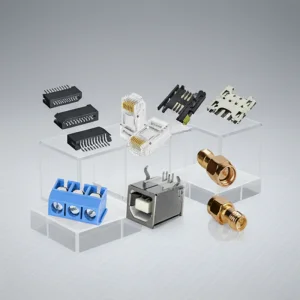
Provides ESD (electrostatic discharge) shielding, high impact absorption, and compact footprints. Designed to protect delicate PCBs and microchips during long-distance transit.
How Zhejiang Beauty Board leverages advanced automation and strategic sourcing to deliver consistent quality and value.
Our facility utilizes imported German injection molding systems and automated assembly equipment. This machinery operates with high structural tolerances (+/- 0.02mm), ensuring consistency across million-unit production runs.
We source raw materials through close partnerships with industry leaders like BASF and SENSIENT. These collaborations give us early access to advanced polymers and high-performance pigments, ensuring the durability, safety, and color consistency of our packaging.
We utilize real-time ERP and MES systems to manage manufacturing scheduling and inventory levels. This digital workflow reduces material waste and minimizes setup times for custom production runs.
Supporting international markets with certified quality systems and thorough documentation.
All formulations and packaging structures comply with EU EC regulations and US FDA requirements, supporting smooth customs clearance.
We partner with recognized testing bodies like SGS and Intertek to conduct regular toxicity, durability, and barrier-integrity testing.
Our factories maintain GMPC certified production workshops, adhering to ISO 22716 standards for cosmetic manufacturing safety.
Answers to key questions on customization options, material specifications, and production timelines.
We utilize a range of eco-compatible materials, including Post-Consumer Recycled (PCR) plastics (PET, PP, and PE) and Polylactic Acid (PLA) polymers derived from renewable cornstarch. We also develop monomaterial packaging designs that can be recycled directly without separating components.
We perform stability and compatibility testing within our 1,080m² laboratory. Packaging materials are tested against formulation samples under accelerated heat, humidity, and UV conditions to prevent structural degradation or active ingredient interactions.
Yes, our 62,000m² manufacturing park houses high-speed automated production lines imported from Germany. With an annual capacity exceeding 100 million units, we scale production to meet the needs of large international brands.
We operate under a strict quality management system that is GMPC certified. Our products undergo testing by independent organizations such as SGS and Intertek, ensuring compliance with both EU EC guidelines and US FDA cosmetic regulations.
Custom design and tooling development generally take 25 to 35 days, depending on structural complexity. Once the design is approved, mass production is typically completed in 30 to 45 days, depending on order volume and the packaging specifications.
We assist with regulatory compliance by providing complete technical documentation, material safety data sheets (MSDS), and compliance certifications. Our design team also helps adapt labeling layouts to meet the specific legal requirements of different target markets.
Explore our broader industrial, commercial, and aesthetic solutions, optimized for durability and functional performance.

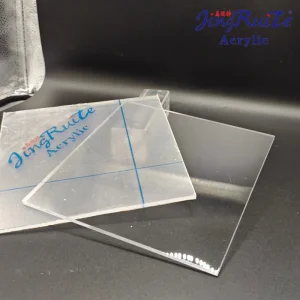
Connect with our engineering and design teams to explore sustainable materials, request physical samples, and receive detailed estimates for your custom packaging requirements.
Contact Packaging Engineers
 Beauty Board