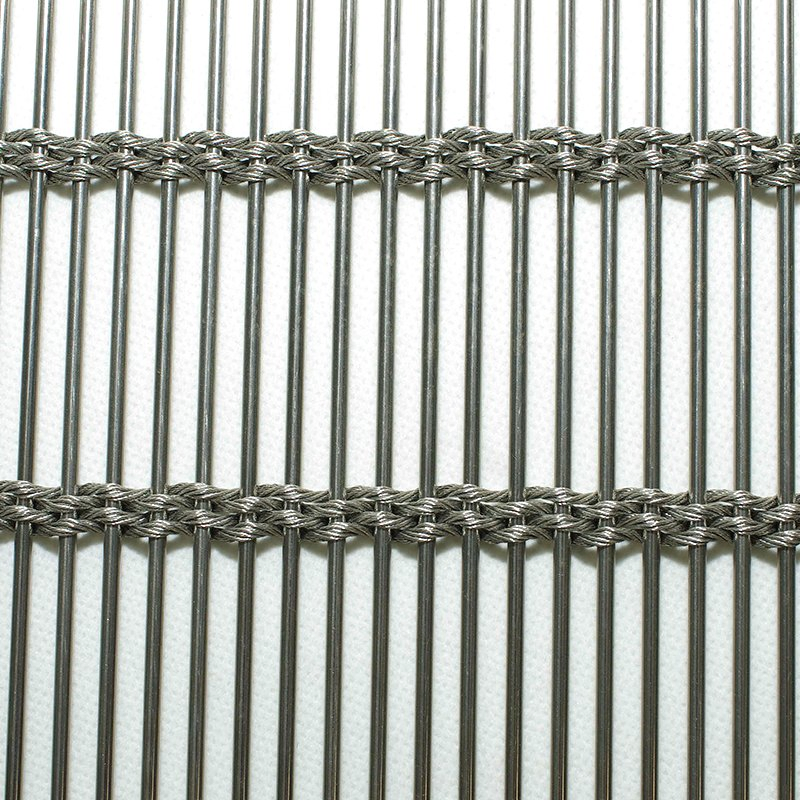
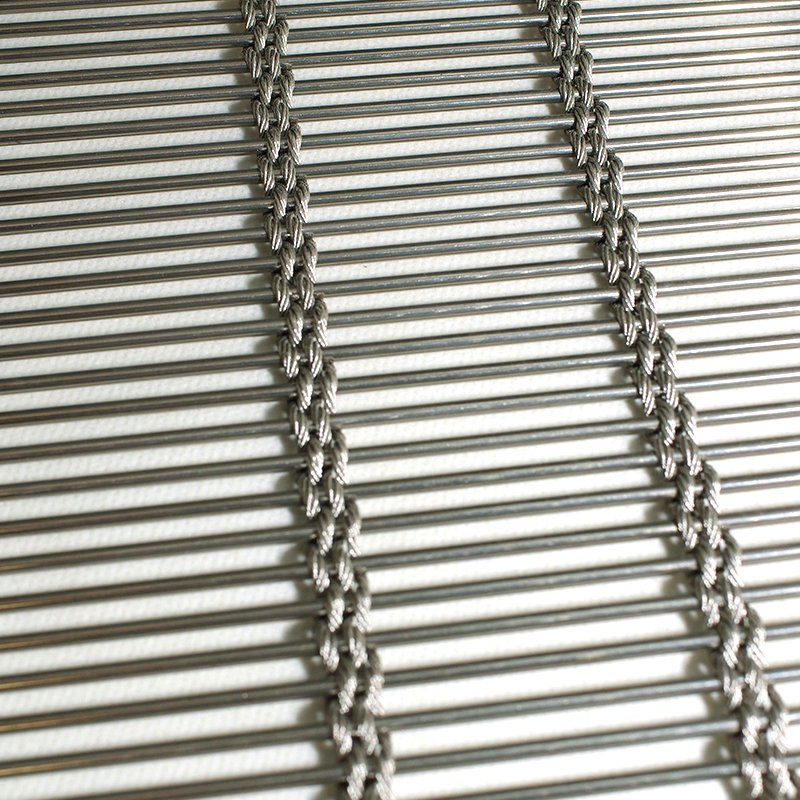
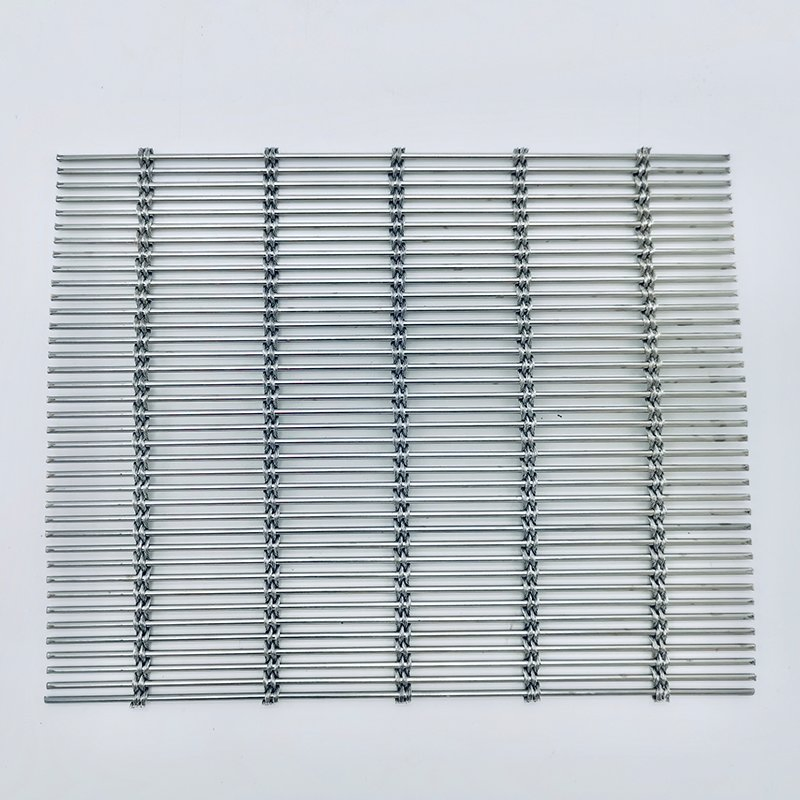
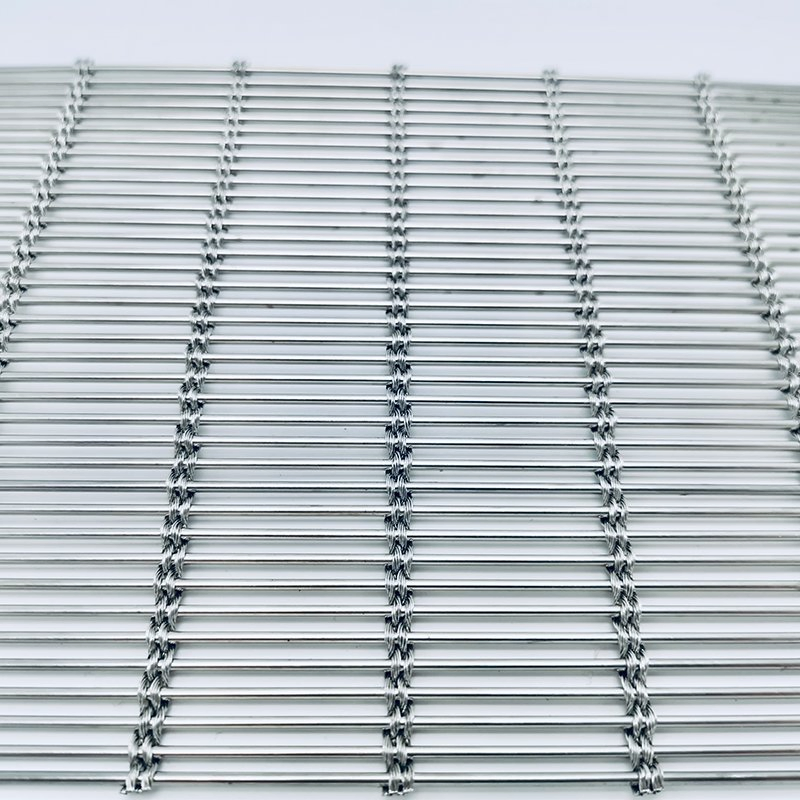
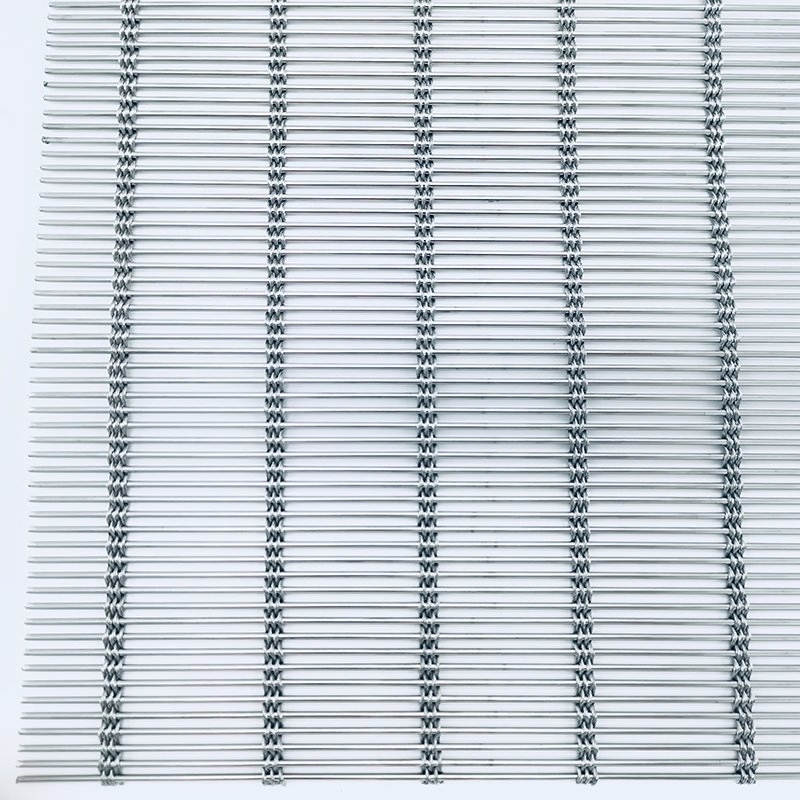
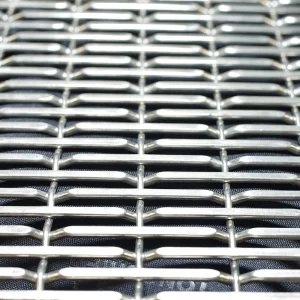
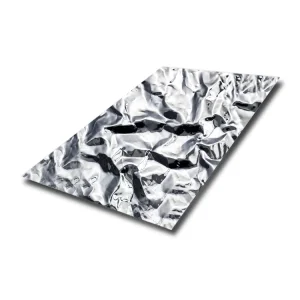
Stainless steel embossed woven decorative metal mesh is a premium metal product that harmoniously combines practical structural functions with high-end decorative aesthetics.
✨ Basic Attributes
Materials include high-grade 304 and 316 stainless steel, known for cost-effectiveness and superior corrosion resistance. Specialized alloys like 301 and 321 are available for custom requirements. The "rolling before weaving" process ensures a unique wavy structure that forms precise square or rectangular mesh patterns.
🚀 Key Performance Features
Our mesh offers a stable structure with high tensile strength and impact resistance. It is engineered to withstand extreme temperatures (304 up to 800ºC, 310S up to 1150ºC) and harsh acidic or alkaline environments without losing its smooth finish.
🎨 Aesthetic & Application
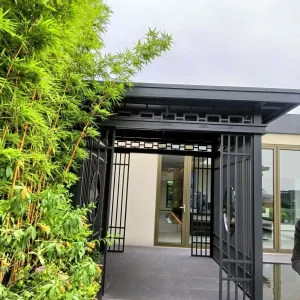
Perfect for modern architectural facades, curtain walls, interior partitions, and luxury ceilings. It is widely used in high-end hotels, exhibition halls, and commercial storefronts to create a sophisticated industrial style.
Frequently Asked Questions
What materials are available for the decorative mesh?
We primarily use Stainless Steel 304 and 316. Special materials such as 301, 321, and high-temperature resistant 310S can be customized based on your specific environmental needs.
Can the mesh size and pattern be customized?
Yes, we support full customization of mesh shapes (square, diamond, zigzag), wire diameters, and weaving patterns to match your unique design requirements.
Is the decorative mesh suitable for outdoor use?
Absolutely. Using 316-grade stainless steel provides excellent resistance to rust and corrosion in humid or coastal environments, ensuring long-term durability for exterior facades.
How do I maintain and clean the metal mesh?
The surface is smooth and easy to maintain. Regular cleaning with a soft cloth and neutral detergent is sufficient to keep its metallic luster. Periodic dust removal is recommended for outdoor installations.
What are the common installation methods?
The mesh can be easily secured using welding, bolt fixing, or slot splicing methods, making it adaptable to various architectural structures and frames.
 Beauty Board